Dinner can leave you with a full sink before you have even sat down. These one pot meals keep the cooking in a single pan, with enough room for vegetables, a protein source, and a sauce or grain. The useful trick is sequencing: brown what needs browning, add liquid deliberately, and save delicate ingredients for the end.
Each recipe starts with portions for two adults; adjust the amounts to your appetite. Treat liquid quantities as starting points, since pan width, burner heat, and pasta brands change how much evaporates. For more formats beyond a single pot, browse these easy dinner ideas.
Match the pan to the meal
Use a pan that holds the ingredients comfortably and has a lid. Crowding makes browning difficult, while a very wide pan can lose liquid before grains soften. A heavy bottom helps distribute heat, but it still needs attention.
| Meal | Useful cookware | What to watch |
|---|---|---|
| Orzo or cabbage noodles | Deep skillet or shallow pot | Stir the bottom; check liquid |
| Lentil dal or bean stew | Medium saucepan or Dutch oven | Keep a gentle simmer |
| Chicken couscous | Lidded saucepan or deep skillet | Use the couscous package ratio |
1. Tomato and chickpea orzo
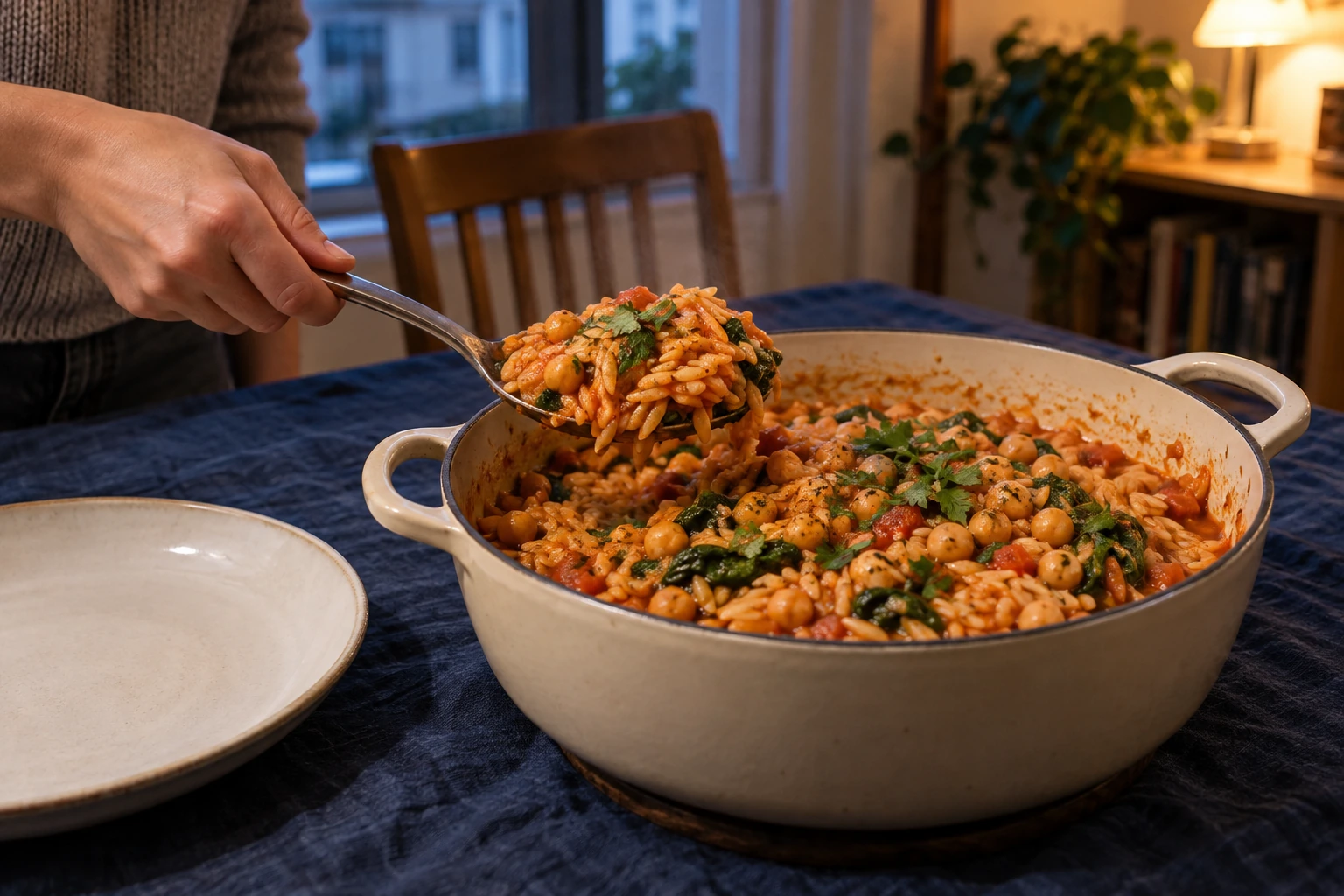
Start with 6 ounces dry orzo, half a drained 15-ounce can of chickpeas, one 14.5-ounce can diced tomatoes with their juices, and about 1 cup broth. In a shallow pot, soften a little chopped onion in olive oil. Stir in garlic if you like, then add the tomatoes, chickpeas, broth, and orzo.
Bring to a simmer and cook gently, stirring frequently along the bottom. Follow the pasta package as a guide, then taste for doneness. If the orzo is still firm and the sauce is drying out, add broth a few tablespoons at a time. If it is tender but too loose, simmer uncovered briefly. Stir in spinach, then pepper. This is a useful option for vegetarian meal planning when you use vegetable broth.
2. Red lentil coconut dal with spinach
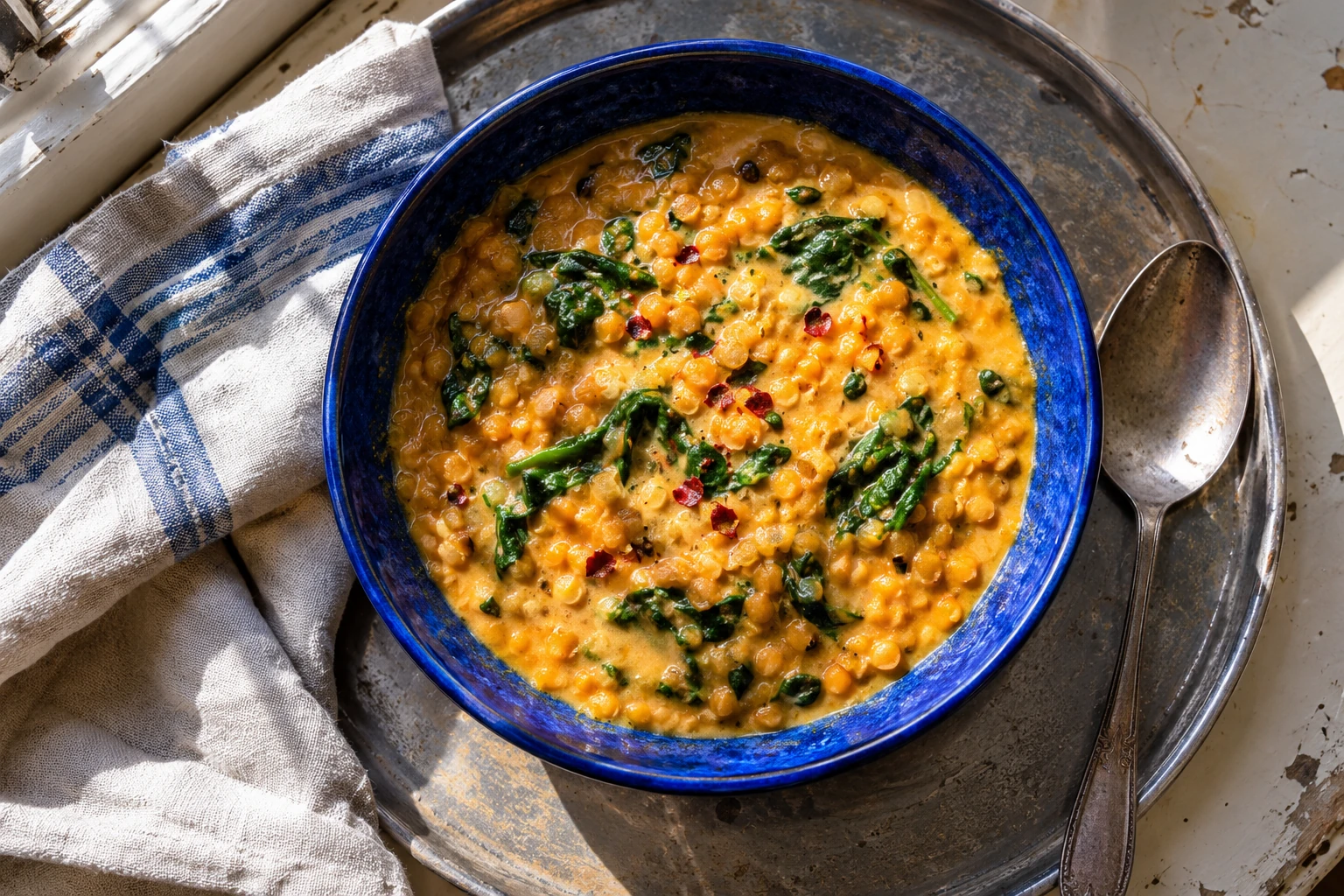
Rinse 1/2 cup red lentils. Soften chopped onion in a little oil in a saucepan, then stir in curry powder or cumin. Add the lentils, half a 13.5-ounce can of coconut milk, and about 1 cup water. Bring to a gentle simmer, partly cover, and stir regularly as the lentils soften.
Add water in small splashes if the bottom starts catching before the lentils are tender. Stir in a handful of spinach near the end and let it wilt. Taste before adding salt or a squeeze of lemon. The finished dal should be spoonable rather than dry. Serve it as it is, or with bread that needs no separate cooking.
3. Chicken couscous with peas
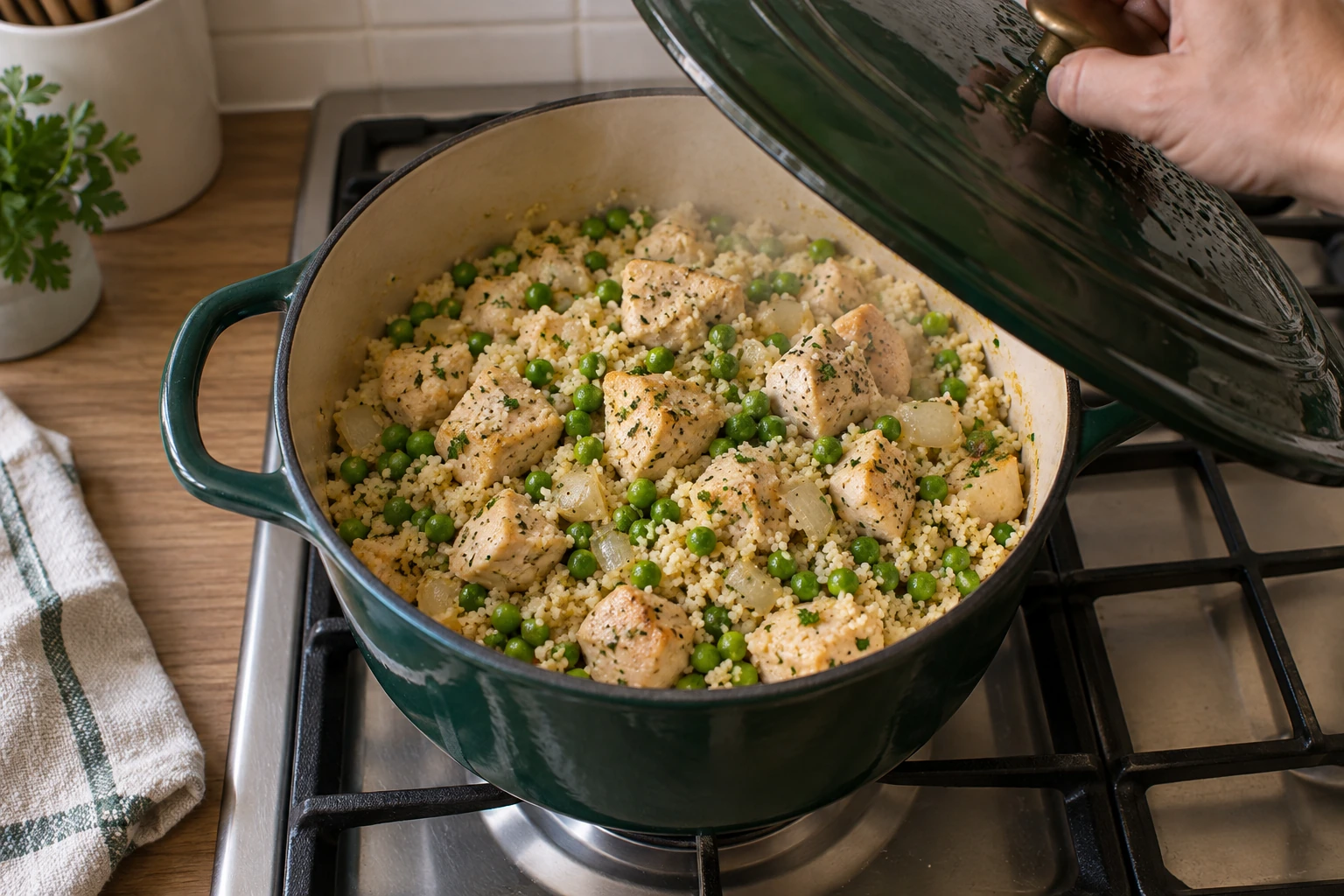
Use 10 to 12 ounces diced raw chicken, 3/4 cup plain instant couscous, and a handful of frozen peas. Brown the chicken in a little hot oil in a deep pan, turning the pieces. Cook until the chicken reaches 165°F in the thickest pieces, checking with a food thermometer.
Next, add the amount of broth specified on your couscous package for 3/4 cup dry couscous. Bring it to a boil, add the peas, and cook them according to their package before adding the grain. Restore any liquid lost during that step. Add the couscous, remove the pan from the heat, cover, and follow its package resting instructions. Fluff and season. Use instant couscous here, not pearl couscous, which needs a different method.
Remeal is in development, with meal planning and cooking support at the center of the project. A useful habit today is to note which ingredients you already have, then choose a dinner around them. That is the idea behind learning to cook with what you have.
4. Ground beef, cabbage, and noodle skillet
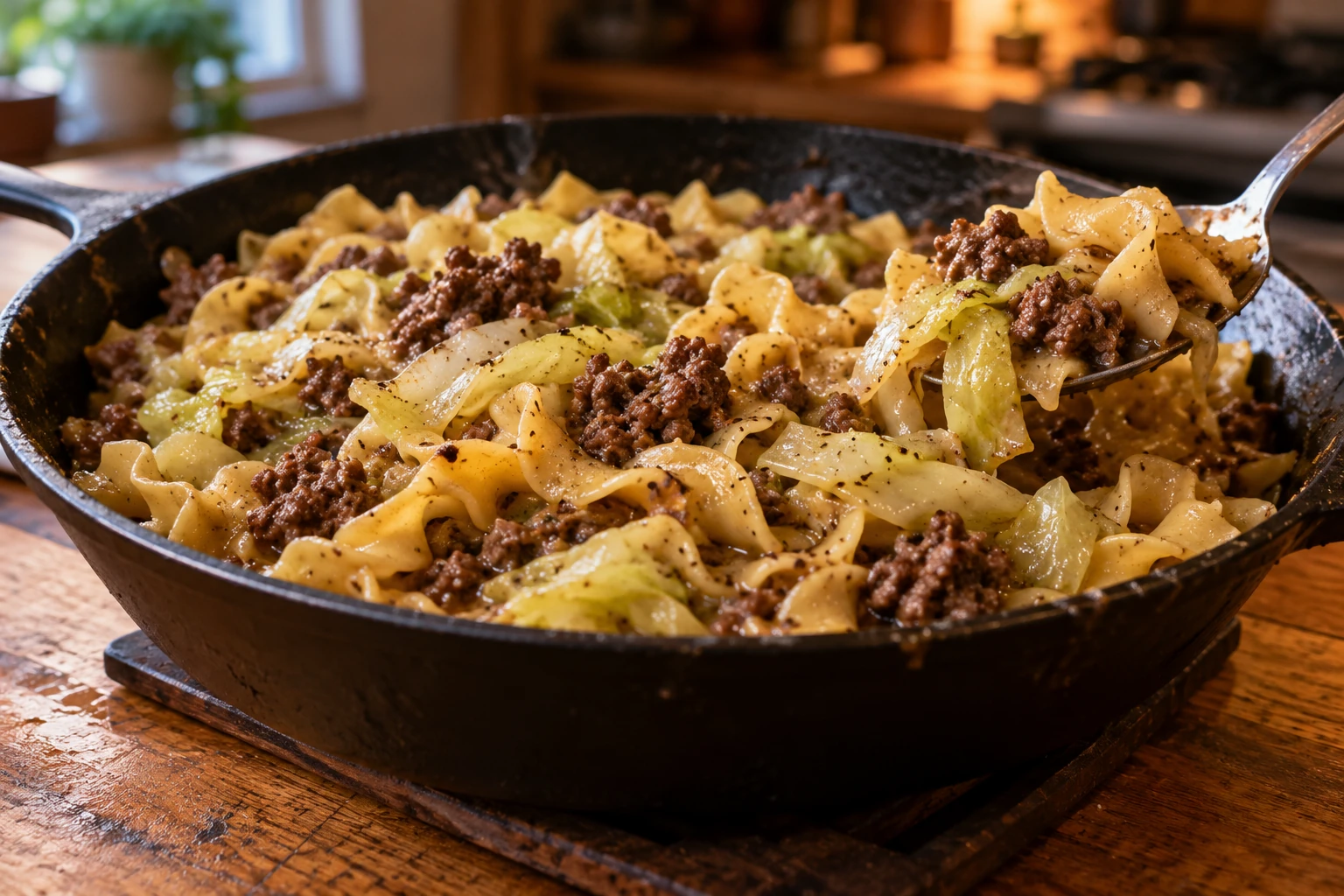
Brown 8 ounces ground beef in a deep skillet, breaking it into small pieces. Cook it to 160°F, checked with a food thermometer, before adding about 2 cups shredded cabbage. Stir until the cabbage begins to soften. Spoon off excess fat if needed, then add 4 ounces dry egg noodles and about 1 1/2 cups broth.
Bring to a gentle simmer and cover. Stir gently at intervals so the noodles cook evenly and do not stick underneath. Check against the package directions and taste for tenderness. Add small amounts of broth when needed, or uncover near the end to reduce extra liquid. Pepper, paprika, or a little mustard can season the sauce without another pan.
5. Cannellini bean and kale stew
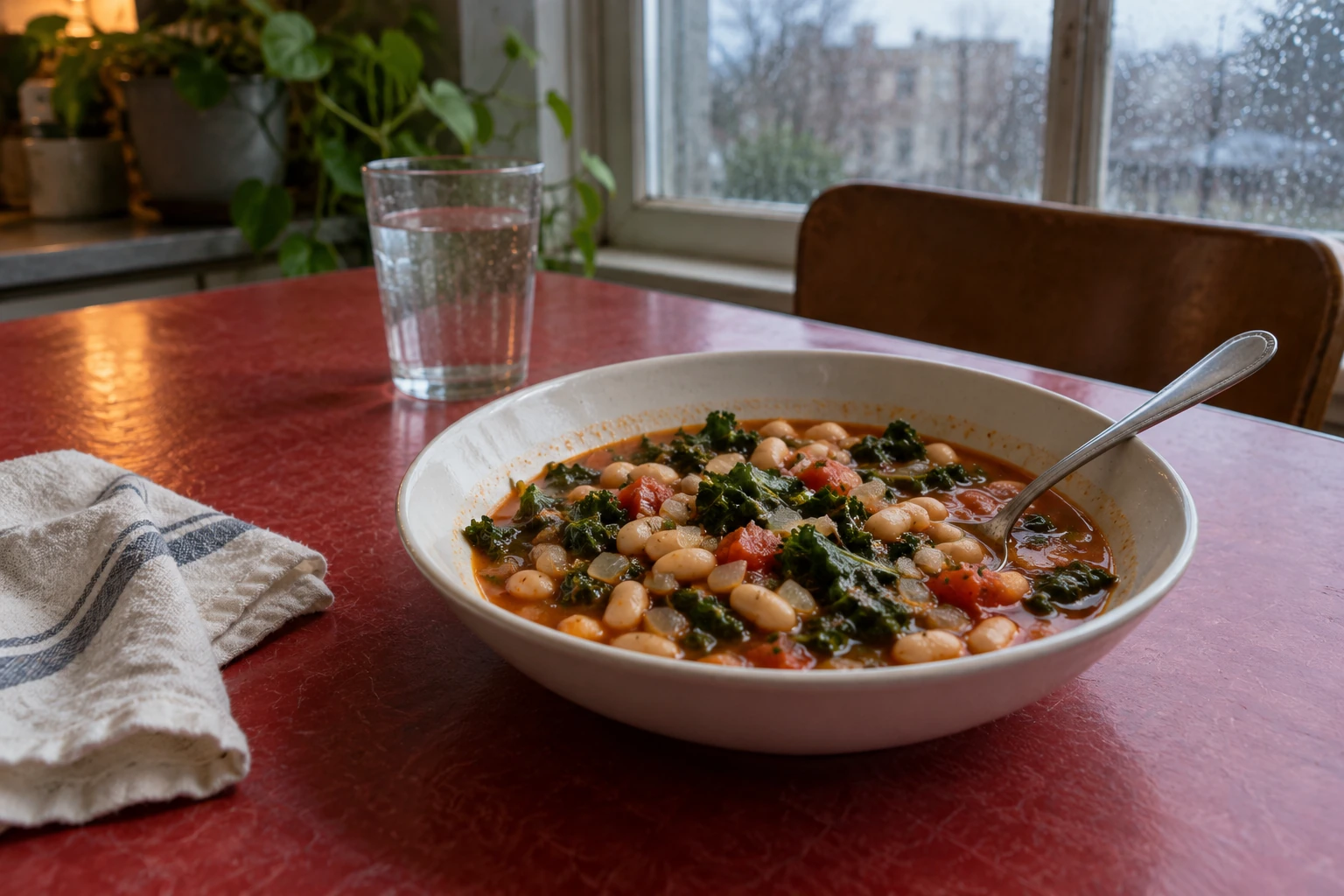
Soften chopped onion and optional garlic in olive oil in a pot. Add one drained 15-ounce can cannellini beans, one 14.5-ounce can diced tomatoes with their juices, and about 1 cup broth. Bring to a simmer. Remove the tough stems from a few kale leaves, chop the leaves, and stir them in.
Simmer until the kale is tender, adding a splash of broth if needed. Mash a few beans against the side with your spoon to thicken the stew. Taste before salting, since canned beans and broth vary. This small batch also suits meal planning for one: serve one portion and promptly chill the other for a later meal.
The order that makes one-pot cooking work
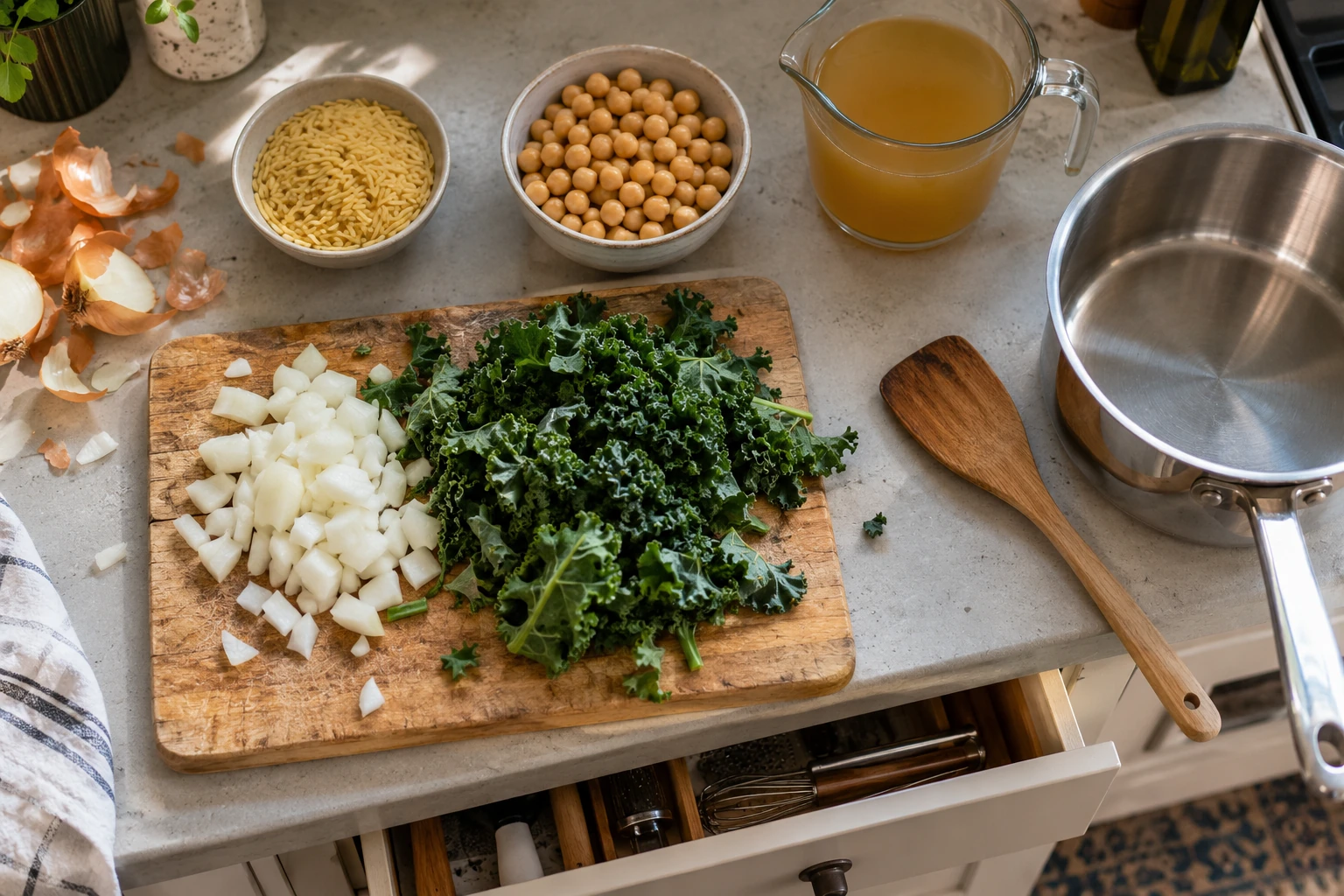
Read the whole method before heating the pan. Drain cans, measure the grain, and chop vegetables first. Browning needs relatively dry heat, so start meat or aromatics before pouring in broth. Use a separate board for raw chicken and wash the board, knife, and your hands before handling ready-to-eat food.
Keep the simmer gentle after adding grains. A rolling boil can drive off liquid faster than the food absorbs it. Cover to retain moisture; uncover when you need reduction. Stir along the base, especially with orzo and lentils, and add liquid gradually instead of flooding the pan.
| Problem | What to check | Next step |
|---|---|---|
| Too dry | Is the grain still firm? | Add a little liquid; lower heat |
| Too soupy | Is everything already tender? | Simmer uncovered; stir and watch |
| Sticking | Is the bottom catching? | Reduce heat; loosen gently with broth |
If the bottom scorches, stop scraping it into the meal. Burnt residue can make your sauce bitter. Reduce the heat early, while food is merely sticking, and stir with a spoon that reaches the corners of the pan. Taste only after meat has reached its minimum safe internal temperature.
Make swaps that suit the cooking method. Spinach can replace kale when it is added later, while canned kidney beans can replace cannellini beans. Swapping dry rice for orzo is a larger change: it needs its own liquid ratio and cooking instructions, so save that experiment for another plan.
Keep cleanup and leftovers manageable
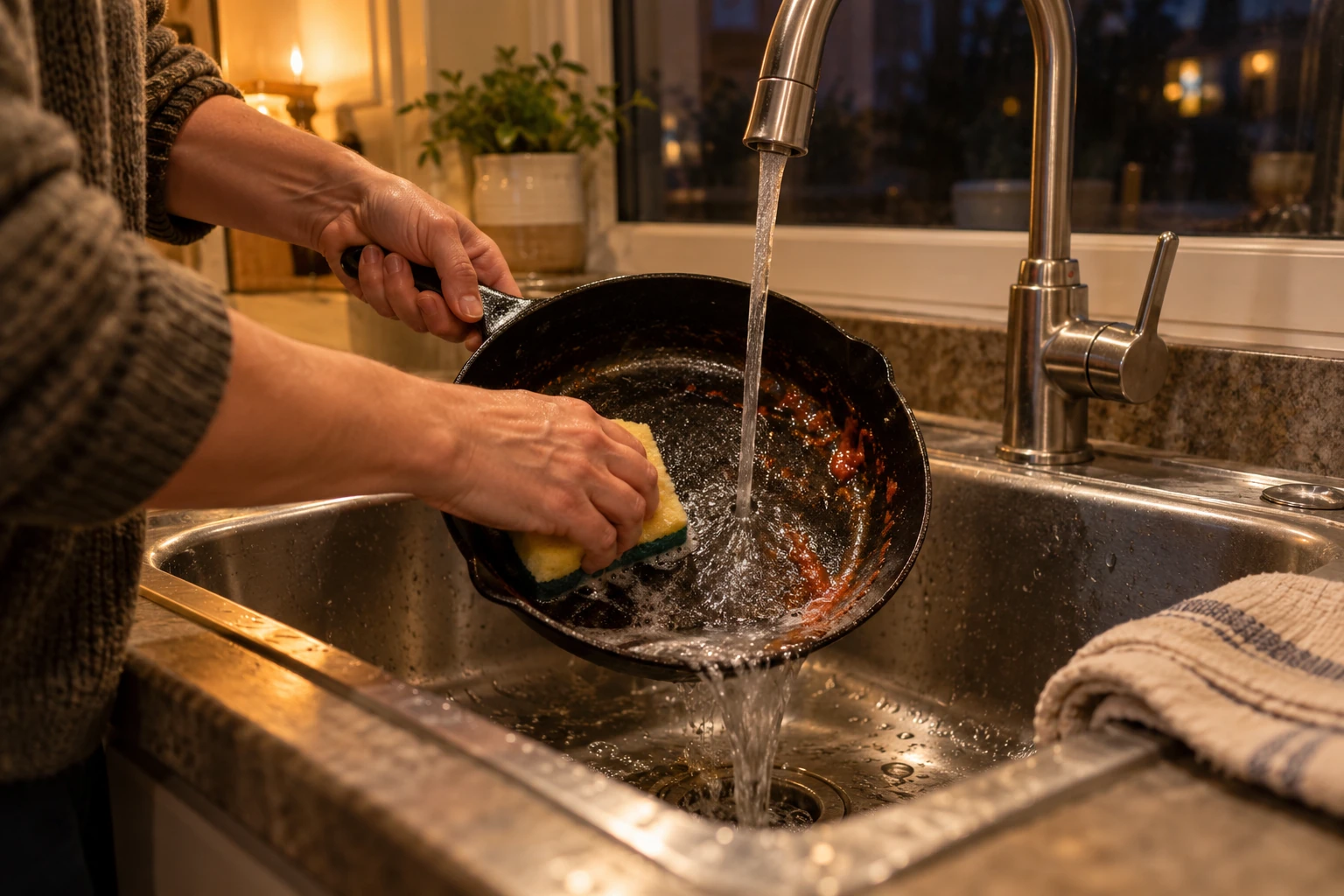
Put ingredient packages away while the meal simmers, and set out storage containers before serving. Let cookware cool enough to handle, then clean it according to its care instructions. Keep raw-meat utensils away from the serving spoon.
Refrigerate perishables within 2 hours, or within 1 hour above 90°F. Divide leftovers into shallow containers and keep the refrigerator at 40°F or below. Use refrigerated leftovers within 3 to 4 days and reheat them to 165°F. Add a little water or broth when reheating thick grains so they loosen without scorching.
Pick one dinner that fits your pan and pantry, then explore Remeal for the project's latest information and launch updates.